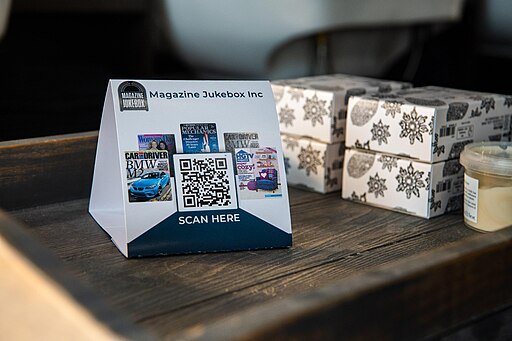
QR codes are now part of everyday life. We see them everywhere from restaurant tables to parking meters, medical offices to mailers that arrive at our homes. The good news is, they’re convenient — just point your phone’s camera at that little square and you’re instantly taken where you need to go. The bad news, a QR code scam is easy to pull off. The thing is, once you understand how these scams work, they’re usually easy to spot and avoid. Let’s take a look at what to watch for — and how to stay one step ahead.
How QR Code Scams Work
QR code scams aren’t complicated. A scammer can create a code using a free online tool. The code can do so many different things. It might send you to a fake website — often one that looks like a bank, delivery company, or utility provider. The code might be printed on a label that can be applied over a real QR code. Or, it might be sent via mail or printed on a flyer. It can even be sent in an email with a request to “scan to resolve an urgent issue.”
Five Simple Ways to Protect Yourself from a QR Code Scam
Pause Before You Scan
If a QR code appears unexpectedly — especially in your mail or email, take a moment to ask yourself: Was I expecting this? If you see a QR code in a public place, check to be sure the code isn’t on a label that looks out of place.
In last month’s scam tip, I went over what a great tool a pause is. Scammers often create urgency: “Final notice.” “Account suspended.” “Immediate payment required.” Urgency is a scammer’s tool, but it’s your cue to slow down.
Check the Web Address Before Tapping
When you scan a QR code, your phone will typically show the website address before opening it. Look carefully at the full URL. Watch for:
- Misspellings
- Extra words added to familiar names
- Odd endings that don’t match the company
If the address doesn’t look exactly right, don’t proceed.
Don’t Scan Codes on Random Flyers or Stickers
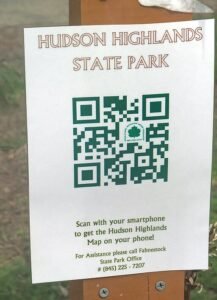
Be cautious with QR codes posted in public places. If you see a code on a parking meter or utility box and it looks like a sticker placed on top of something else, that’s a red flag.
When possible, use an official app or type the company’s web address directly into your browser instead of scanning.
Avoid Entering Sensitive Information
A legitimate company will not demand immediate payment or personal information through a random QR code.
If you scan a code and it asks for:
- Your Social Security number
- Banking details
- Passwords
- A large payment to “fix” a problem
Stop immediately. Close the page. Then contact the company using a phone number or website you look up independently — not the one provided by the QR code.
Keep Your Phone Updated
Make sure your phone’s operating system and apps are current. Updates often include security improvements that help block known threats.
A Good Rule of Thumb
Treat QR codes the same way you treat email links or text messages: with your full attention.
Most QR codes you encounter are perfectly legitimate. Restaurants, medical offices, museums, and utility companies use them every day without issue. The key is not to be afraid — just to be thoughtful.
If something feels rushed, urgent, or slightly off, trust that instinct. Close the page. Verify independently. Take your time.
Final Thoughts
Technology changes. Scams change. But good judgment doesn’t go out of style.
You don’t need to be a technology expert to stay safe. You just need the same qualities that have served you well for years: patience, attention to detail, and a willingness to pause when something doesn’t feel quite right.
A QR code scam isn’t something to fear. These codes are simply another tool — and like any tool, they can be used well or misused. With a little awareness and some caution, you can continue to use them confidently and safely. And that, as always, is the goal: not anxiety, but confidence.
I’d love to hear your thoughts on this month’s scam tip. Please leave a comment below, and thanks for being here!
See all my Scam Tips here. If you missed last month’s post, you can use this link to view Three Scam Killer Rules to Stop Scams Cold.




Great tip this time. I’ve actually avoided almost all QR codes because I tend to be mor suspicious than not, but this is a helpful tool to separate out the legitimate ones.