

For most people, vacation exhaustion comes after the trip. But, when you’re traveling with Chronic Fatigue Syndrome, that could happen before you even pack your bags.
We’d spent months planning a road trip that would take us from San Diego to Astoria, OR (and back, of course). We had scenic places to visit. Restaurants that could accommodate our dietary requirements (gluten and soy allergies, respectively). And more. That is, until a doctor diagnosed my wife with Chronic Fatigue Syndrome (CFS/ME). That changed everything.
What Is Chronic Fatigue Syndrome?
First off, the ME stands for myalgic encephalomyelitis. That’s one heck of a tongue twister, right? We’ve been grappling with this condition for a while and still have trouble pronouncing it. Fortunately, pronounciation and management are two different things.
Dealing with Chronic Fatigue, whether you’re talking about a trip to the grocery story or traveling a thousand miles requires careful planning and a realistic approach to avoid triggering a crash (what the doctors call post-exertional malaise or PEM). The key to getting through is to manage your energy as if you were on a tight budget. Were you given $5 for the day or 10? Just remember, if you go over budget, you will crash. Bad.
Those who have never had to deal with the condition may say, “It’s all in your head,” or “You need to push through.” The fact is, neither of those are true. And not budgeting correctly will quickly send you into a crash that can last anywhere from a day to several days (or even longer in severe cases).
When I was diagnosed with Celiac disease in 2003, we had just over a week before we were flying to a convention in St. Louis. For Kathy’s Chronic Fatigue Syndrome, we’ll have just over a month before we leave. Thank goodness her doctor recommended an app called Visible: Pacing for Illness. It’s provided a wealth of information and a tool to help better manage her energy.

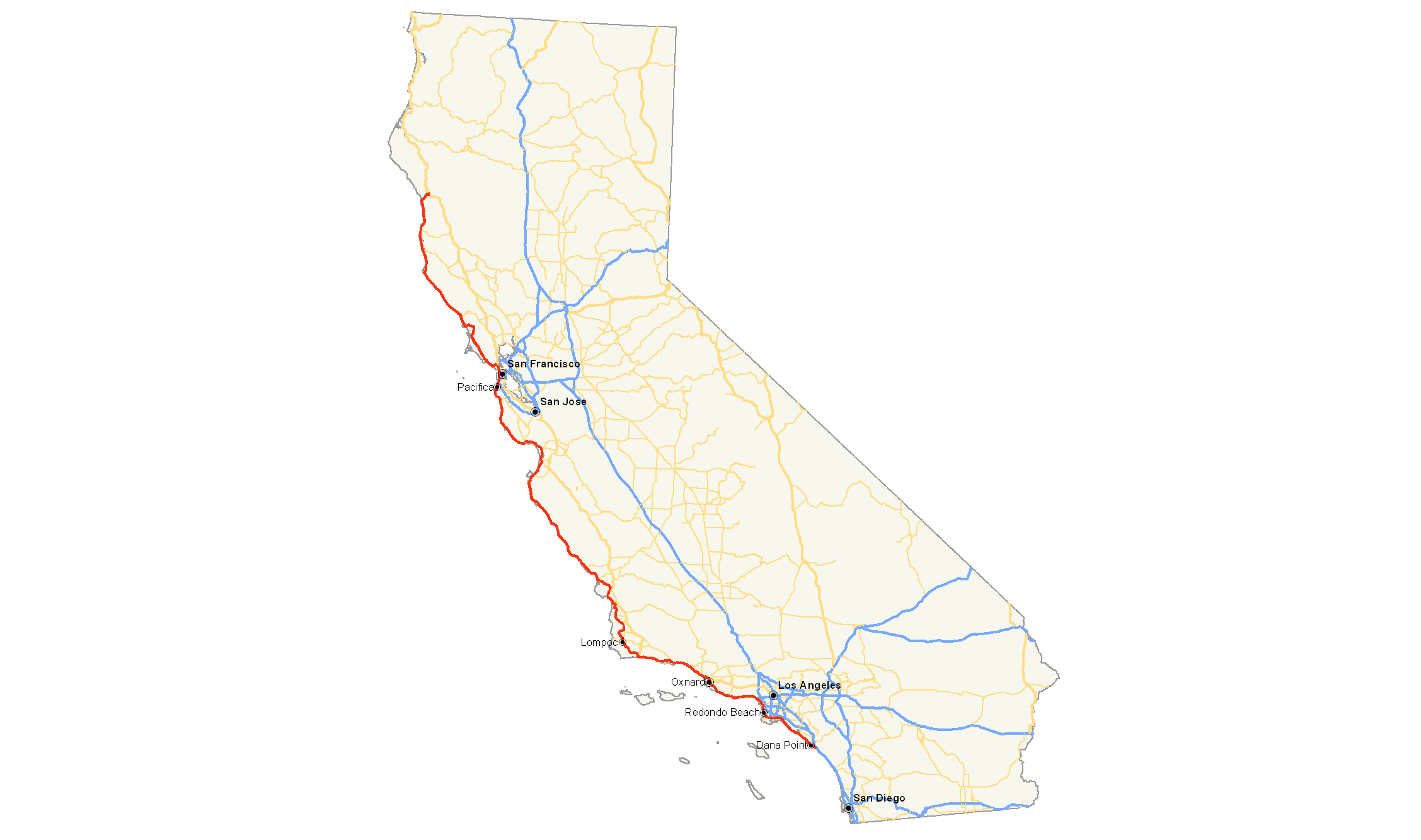
Traveling on a Budget
On the one hand, Kathy’s diagnosis came as good news—we finally knew this wasn’t something much worse. On the other, there currently is no cure. The only option is to learn to budget your energy. On a day-to-day basis, that’s tough enough. But how in the world could we pull off something like an extended road trip when a trip to the doctor can feel like a marathon?
Build in Buffer Days: We’re planning on a rest day before the trip and one after, but in between, every few days we’ve built in stops to allow time to recharge. If things are going well, we’ll do something fun; if not, it will be a chance to rest.
Pacing Activities: We’ve got an agenda that, even when we were both feeling great, was way too much. We knew that and always planned on weeding out as we went along. Now, we have to avoid the temptation to do too much. We’ll break up our days with scheduled rest periods. (By the way, a 30-minute break to lie down in your hotel room can do wonders.)
Be Flexible: In addition to a “must-see” list, we’ll prepare a “nice-to-do” list. Be prepared to skip the “nice-to-do” activities on those tough days. It’s better to enjoy a few things than to push yourself and crash for the rest of your trip.
Listen to Your Body: Pay attention to the early signs of fatigue and stop to rest immediately. Ignoring these signals can lead to a severe crash that could ruin the rest of your vacation.
Bonus Tip: Stress Is NOT Your Friend
Not to be cliché, but stress is your worst enemy. Yesterday, we traveled from our home to Palm Desert. I did all of the driving, but the stress of the Interstate’s traffic was enough to sink any plans Kathy might have had to do anything other than rest when we arrived. Find as many ways to avoid significant stress as you can and your trip will be much better than if you just try to “push through.”
Managing stress can be as simple as doing a breathing exercise for two minutes several times a day. Like music? Close your eyes, put on a headset, and let someone else do the driving. Or, simply talk to your friends—social interactions can be a great way to lower your stress level.
If you or someone you know is dealing with unexplained fatigue or suffers severe aftereffects from exercise, I encourage you to talk to your doctor. If you have questions or comments about this post or would like me to do a follow-up next month (since we’ll have been on the road for over a week) let me know in the comments below.
If you like jigsaw puzzles, see my Friday Morning Posts here. If you missed last week’s post, you can use this link to view Our Spontaneous Carlsbad Staycation: A Coastal Birthday Celebration.


I think you are brave when sharing personal medical issues. This allows others to take a step toward their own physical and/or mental well-being! ❤️
Thank you, Cheryl. My hope is that others can benefit from our experiences.
My daughter has been battling various symptoms for over 3 years, and this last January was diagnosed with Fibromyalgia. I live for information that we can use to help her in her day to day life, so please share when you have the time. I greatly appreciate you taking the time to share something so personal. I believe that being open about medial issues helps not only others, but allows the patient to emotionally process the frustrations and misinformation out there. Have a safe trip and I hope you both enjoy the journey.
Thank you for your encouragement, Laurie. I’m so sorry to hear about your daughter. I understand your frustration with the available information. The most frustrating part is the doctors don’t even have answers. I will post again about the trip and will likely include more about the Visible so since we’ll have had some time to see how it works. So far, it seems to be helping track Kathy’s energy levels quite well. I wish you luck in dealing with your daughter’s fibromyalgia.
So sorry to hear your wife has CFS, Terry! Thank you for sharing all of this ❤️
You’re welcome, Maria. I’ll pass your comment on to Kathy.
I have fibromyalgia which is also debilitating. I would like to hear more about your schedule for your trip. Most people don’t believe fibro is real which makes things more difficult.
I agree with you, Judy. The first time I heard about fibromyalgia was more than 20 years ago when I worked with a guy who told me his wife had it. It’s hard to believe that after all this time there are still people who poopoo the idea. Thanks for the comment, and I’m seriously thinking about doing more of these posts.